

By Amebo Newspaper NG
The Ogun State Traffic Compliance and Enforcement Agency (TRACE) has unveiled Operation Safe Roads 2026, an extensive ember months traffic management and road safety campaign aimed at reducing road traffic crashes, fatalities and congestion across the state between September and December.
The operation, themed “Safe Roads • Safe Drivers • Safe Vehicles • Safe Communities,” is designed to strengthen traffic law enforcement, improve emergency response mechanisms and promote responsible road use during the ember months, a period traditionally associated with increased travel for commercial, social, religious and festive activities.
With the slogan, “Think Safety First, Act Safely Always, Return Home Safely Every Day,” the campaign will focus on major highways, urban centres, accident-prone locations and critical transport corridors across Ogun State.
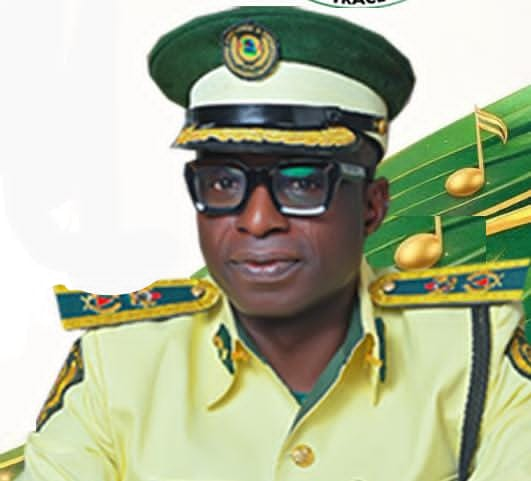
According to the operational guidelines signed by the Most Senior Commander of TRACE, Cmdr. Omonayajo Elias Adedayo, the initiative is intended to enhance road safety, ensure smoother traffic movement and encourage motorists to comply with established traffic regulations throughout the period.
The agency said the operation would adopt a coordinated, intelligence-led and service-oriented approach to traffic management, with personnel deployed to strategic locations to prevent avoidable crashes and respond promptly to emergencies.
Crackdown on Dangerous Driving, Unroadworthy Vehicles
As part of the enforcement strategy, TRACE will intensify surveillance and enforcement against traffic violations considered major contributors to road crashes and congestion.
Motorists will face enforcement actions for excessive speeding, reckless driving, street racing, dangerous overtaking and other hazardous manoeuvres that put the lives of road users at risk.
The operation will also target unroadworthy vehicles, faulty tyres, defective braking systems, overloaded vehicles, improperly secured cargo and other mechanical defects that could compromise road safety.
Drivers caught operating vehicles under the influence of alcohol or drugs, using mobile phones while driving, driving without valid documents, travelling against traffic or violating lane discipline will also come under increased scrutiny.
Other offences targeted by the campaign include failure to wear seat belts, dangerous U-turns, traffic signal violations, unauthorised use of road shoulders, illegal parking and unlawful loading and off-loading.
TRACE will equally move against roadside trading and other activities that obstruct traffic movement, particularly around markets, motor parks, commercial centres and busy urban roads.
The agency explained that the measures were intended not merely to punish offenders but also to prevent avoidable accidents, protect pedestrians and motorists, and ensure that roads remain accessible to emergency responders.
Major Highways, Accident Black Spots to Receive Attention
Under its deployment framework, tagged “One Zone, One Area, One Command, One Operational Standard,” TRACE will position personnel across major highways and strategic locations throughout Ogun State.
Priority areas include the Lagos-Ibadan Expressway, Abeokuta metropolitan corridors, interstate routes, major entry and exit points, accident black spots, motor parks, markets, commercial centres, major intersections and religious or event centres.
The agency said the deployment strategy would ensure coordinated operations among commands, uniform enforcement standards and improved supervision of personnel across the state.
Dedicated day and night patrol teams will be established, alongside rapid-response and accident-response units, traffic control teams, intelligence and public enlightenment units, as well as recovery and towing coordination teams.
High-risk locations are expected to receive round-the-clock or extended-hour coverage where necessary, particularly during periods of heavy traffic and increased movement of people and goods.
The approach is also expected to strengthen traffic monitoring, facilitate the early detection of dangerous driving and reduce delays caused by crashes, vehicle breakdowns and other road obstructions.
Four-Month Operation to Run in Five Phases
The operational guidelines provide for a phased implementation of the campaign, beginning with intelligence gathering and public enlightenment and progressing to intensified enforcement and festive traffic management.
September was designated for intelligence gathering and public enlightenment, while October focuses on intensified enforcement. November is reserved for peak patrols and crash prevention, as preparations intensify for the end-of-year travel rush.
December will feature maximum deployment to manage festive traffic, with particular attention to major highways, commercial centres and other locations expected to experience increased vehicular movement.
The final phase, scheduled for December 26 to 31, will focus on managing return traffic following the Christmas festivities and conducting a post-festive evaluation of the operation.
Through the phased approach, TRACE intends to combine preventive education with visible enforcement and rapid emergency intervention to address the safety challenges associated with increased road use during the ember months.
Emergency Response, Crash Scene Management Prioritised
Beyond traffic enforcement, Operation Safe Roads 2026 places significant emphasis on emergency response and effective crash scene management.
TRACE has outlined a structured response procedure requiring officers to detect and verify incidents, mobilise response teams, secure crash scenes, assist in rescuing victims, clear obstructions, restore traffic flow and document incidents.
Personnel are also expected to take measures to prevent secondary collisions, which can occur when approaching motorists fail to slow down or recognise an existing crash scene.
The agency's emphasis on rapid intervention is intended to minimise delays in providing assistance to crash victims and reduce the risk of further casualties arising from incidents on busy highways.
In addition, the recovery and towing coordination teams will support the removal of damaged or disabled vehicles that obstruct traffic and create additional hazards for other road users.
TRACE stressed that emergency response must be carried out in an organised manner, with appropriate scene protection, coordination and timely reporting of incidents.
Public Enlightenment Campaign to Promote Safer Driving
Recognising that enforcement alone cannot guarantee safer roads, TRACE will intensify public enlightenment activities to educate motorists, passengers and other road users on responsible driving practices.
The campaign will promote key safety messages, including “Don't Drink and Drive,” “Slow Down, Arrive Alive,” “No Phone While Driving,” “Buckle Up—Every Trip, Every Time,” “Don't Overload,” and “Rest When Tired.”
These messages are intended to discourage behaviours that increase the likelihood of crashes, including speeding, distracted driving, driving under the influence of intoxicating substances, overloading and operating vehicles while fatigued.
Motorists will also be encouraged to inspect their vehicles before embarking on journeys, ensure that tyres and braking systems are in good condition, secure transported goods properly and comply with traffic signs and instructions from authorised officers.
TRACE's campaign will further emphasise the shared responsibility of drivers, passengers, pedestrians, transport operators and other road users in preventing avoidable road tragedies.
The agency's position is that safe road use requires a combination of responsible individual behaviour, effective enforcement, functional vehicles and timely emergency intervention.
TRACE Strengthens Inter-Agency Collaboration
To improve the effectiveness of the operation, TRACE will collaborate with relevant government agencies, security organisations and stakeholders in the transport sector.
The partners identified in the operational guidelines include the Federal Road Safety Corps (FRSC), Nigeria Police Force, Ogun State Ambulance and Emergency Service, Fire and Safety Services, Local Government Authorities, the Ministry of Works and Infrastructure, transport unions, towing operators, traditional institutions and media organisations.
The collaboration is expected to improve information sharing, coordinate emergency responses, facilitate the management of traffic obstructions and strengthen public awareness of road safety regulations.
The involvement of transport unions and towing operators is particularly relevant to managing commercial transport activities, vehicle breakdowns and obstructions around busy transport corridors.
Traditional institutions and media organisations will also be engaged to expand the reach of public enlightenment messages and encourage greater community participation in road safety efforts.
Daily Reports, Performance Monitoring to Guide Operations
As part of its accountability framework, TRACE has directed all operational commands to submit daily situation reports detailing their activities and the traffic conditions within their areas of responsibility.
The reports are expected to cover personnel deployment, locations monitored, prevailing traffic conditions, crashes attended, violations recorded, emergency response times, fatalities, injuries and recommendations for improving operations.
The agency will assess the success of the campaign using key performance indicators, including reductions in crashes, fatalities and serious injuries, improved emergency response times, better traffic flow, increased seat belt compliance and wider patrol coverage.
Other performance measures include the clearance of traffic obstructions and the effectiveness of public enlightenment activities.
The reporting system is intended to provide operational leadership with information for identifying emerging risks, addressing deployment gaps and improving the overall delivery of traffic management services.
Officers Warned Against Operational Risks
While directing personnel to maintain professionalism throughout the operation, Cmdr. Omonayajo also emphasised the need for officers to protect themselves while carrying out their duties.
Personnel have been advised to wear appropriate protective equipment and exercise extra caution during night operations, adverse weather conditions, crash scene interventions and patrols along high-speed corridors.
The directive reflects the risks faced by traffic enforcement officers who work close to moving vehicles and frequently respond to emergencies under difficult road and weather conditions.
The agency maintained that effective enforcement must be conducted lawfully and professionally, with officers balancing traffic control responsibilities with the protection of human life.
Reaffirming TRACE's commitment to the campaign, Cmdr. Omonayajo directed that Operation Safe Roads 2026 be implemented in a lawful, intelligence-led and service-oriented manner.
“Enforcement is not the end, Safety is the objective,” he stated.
He further underscored the urgency of prompt emergency intervention, declaring the guiding motto of the operation to be: “Rapid Response Saves Lives, Every Second Counts, Every Life Matters.”
With increased patrols, stricter enforcement, public education and coordinated emergency response forming the backbone of the initiative, TRACE is seeking to make Ogun State's roads safer during the ember months and festive travel season.
The ultimate test of the operation, however, will be its ability to translate the planned deployment and enforcement measures into fewer crashes, reduced fatalities, smoother traffic movement and safer journeys for residents and travellers across the state.

